


19 Jan 2026
What is a Gully Trap in Plumbing?
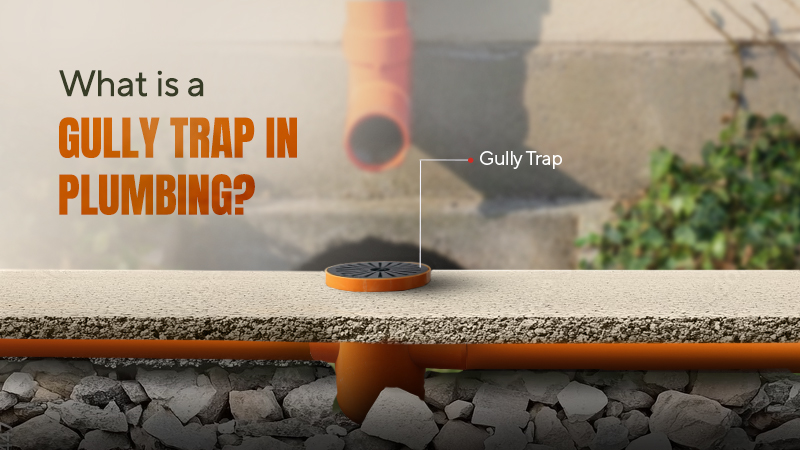
A gully trap is a drainage fitting that prevents foul gases from entering your home while allowing wastewater to flow into the main sewer. A common query in plumbing conversations is the purpose and function of a gully trap. This is because many homeowners come across it during new installations or upgrades. They may often wonder why it matters. A gully trap can seem confusing, but understanding its work can make decisions easier. If questions like ‘What is a gully trap in plumbing?’, ‘Do I need a gully trap?’ and ‘Where will it be fitted?’ have crossed your mind. Let us help you understand it.
How Does a Gully Trap Work?
A gully trap creates a water barrier between your home drains and the main sewage line. This barrier stops gases and allows liquid waste to flow through normally. When wastewater enters the trap, it flows over the water seal and continues into the underground drainage system. The water seal remains in place constantly. It acts like a liquid door that allows waste to pass down but prevents gases from coming up. Think of it as a one-way valve made of water. Waste goes down easily. Gases cannot come up.
Functions and Uses of a Gully Trap
Gully traps solve three critical drainage problems that affect home hygiene and comfort.
- Blocks Foul Odours: Without a water seal, sewage gases enter your home through drains. These smells make kitchens and bathrooms unpleasant. They can linger in fabrics and furniture.
- Prevents Health Hazards: Sewer gases contain methane and hydrogen sulphide. These gases can cause headaches, nausea and respiratory problems. A functioning gully trap keeps these harmful gases out.
- Blocks Pest Entry: Rats and insects use drainage pipes to enter buildings. The water seal creates a physical barrier. Pests cannot swim through to access your home.
Now that you understand what a gully trap in plumbing is, remember that it is important to choose one that is made using durable materials for long-lasting use. They should help meet hygiene standards in every home or commercial space.
Where is a Gully Trap Installed?
Gully traps are installed outside your building at strategic drainage points. Proper placement ensures effective odour control and easy maintenance access. Install gully traps near external walls where kitchen or bathroom waste pipes exit. They should be positioned at ground level. Place them close to the wastewater outlet but not directly under windows or doors.
Common installation points include:
- Outside the kitchen wall for sink drainage
- Near the bathroom external walls for the basin and shower waste
- At the base of rainwater downpipes
- Along external walls where multiple drains combine
The trap must be accessible for cleaning. Avoid locations where furniture, plants or structures might block access later. We, at Astral Pipes, recommend following local building codes for placement and connection to drainage.
Types of Gully Trap in Plumbing
Different gully trap designs suit various plumbing needs and site conditions. Each type offers specific advantages for drainage applications.
1. P-Trap Gully
This common design features a horizontal outlet. It suits most residential installations where the drainage pipe runs horizontally underground.
2. S-Trap Gully
With a vertical outlet, this type works when the main drain sits directly below. It requires less horizontal space.
3. Bottle Gully
Compact and space-saving, bottle gullies fit tight spaces. Their vertical design takes up minimal ground area.
Various types of gully traps in different materials are available for various plumbing needs:
- Brick gully traps: laid using bricks and mortar, suited for custom construction
- Pre-cast concrete gully traps: ready-made and easy to install
- Plastic gully traps: lightweight and corrosion-resistant
Astral Pipes offers plastic gully traps designed for Indian drainage systems. These deliver excellent resistance to chemicals and weather conditions, which makes them a smart choice for new homes or renovations.
How Do You Maintain a Gully Trap?
Regular maintenance keeps gully traps functioning properly and extends their service life significantly.
Step 1. Weekly Tasks
Remove leaves, debris and food particles from the grating. These items can block water flow. Flush with clean water to ensure the water seal remains intact.
Step 2. Monthly Cleaning
Pour a bucket of water through the trap to flush accumulated sediment. Check that water drains freely. Slow drainage indicates partial blockage.
Step 3. Quarterly Inspection
Examine the trap for cracks or damage. Look for signs of pest activity or unusual odours.
Step 4. Cleaning Method
Remove the grating cover carefully. Scoop out any visible debris using a small trowel or scoop. Pour several buckets of water through to clear the water seal. Replace the grating securely.
Step 5. Professional Maintenance:
Call a plumber annually for a thorough inspection. Professional cleaning removes stubborn deposits. Experts can identify developing problems before they become expensive repairs.
What to Avoid: Do not use harsh chemical drain cleaners frequently. These can damage uPVC fittings over time. Avoid pouring grease or oil down drains. These substances solidify and cause severe blockages. At Astral Pipes, we design drainage fittings with maintenance accessibility in mind. The smooth interior surfaces resist buildup. This reduces how often you need deep cleaning. We manufacture advanced gully traps designed for reliable performance in Indian homes and buildings. They are designed for promoting smooth wastewater flow and preventing the entry of foul odours. Built to last with high-quality materials, Astral’s Gully Trap supports a healthy environment through its effective water seal and robust construction. Following our maintenance tips will help you to avoid expensive repairs, improve hygiene and ensure smooth drainage all year round.
-
30 Apr 2026
Why UV-Protected Plastic Water Tanks Are Essential for Indian Weather? -
25 Apr 2026
Guide to Choosing the Right PVC Solvent Cement -

20 Apr 2026
Why PVC Conduit Pipes are a Smart Way to Save Time and Money -
13 Apr 2026
Benefits of Using High-Quality Cable Ducting in Smart City Projects -

05 Apr 2026
How to Choose the Perfect Water Pressure Pipe