


05 Apr 2026
How to Choose the Perfect Water Pressure Pipe
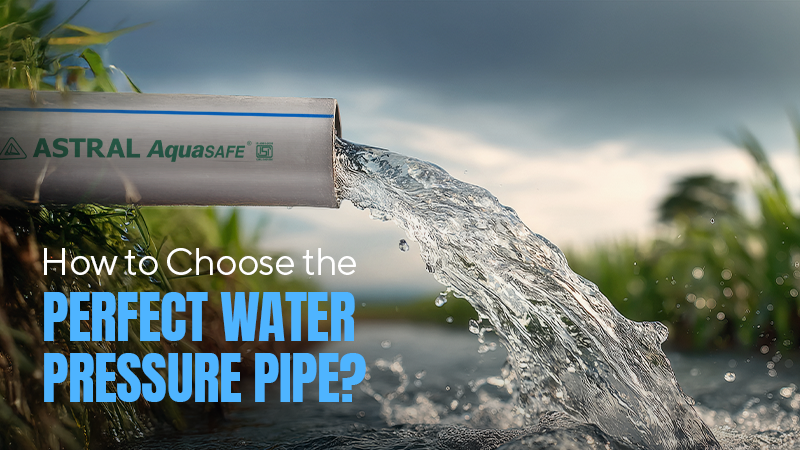
How to choose the perfect water pressure pipe for agriculture depends mainly on your water source, pressure, layout and budget. It usually comes down to the right grade of PVC/uPVC or HDPE pipe with a suitable diameter and pressure rating. The aim is to get consistent pressure at the field, minimum leakage and a pipe that lasts years without frequent repairs.
What is a Water Pressure Pipe?
A water pressure pipe is a pipeline designed to carry water under pressure from a source (borewell, pump, tank, or canal) to different points. It can be carried for irrigation lines, sprinklers or domestic and farm connections.
Pressure pipes are manufactured and tested to specific pressure ratings so they can safely handle pump discharge and pressure fluctuations without bursting or leaking.
Water pressure pipes for agriculture in India are commonly made from PVC/uPVC, HDPE or other engineered plastics that resist corrosion, are lightweight and can be joined leak‑free for long runs in fields. These pipes are used in surface irrigation, drip and sprinkler systems. They are additionally used for lifting water from borewells or sumps to storage tanks.
What are the Factors to Consider When Choosing the Right Pressure Pipe?
Choosing the suitable pressure pipe is about matching the pipe to your system and not just picking the strongest one. Here are the key factors you must consider:
1. Application and Layout
- Type of use: main line from pump to field, sub‑mains, drip laterals, sprinkler risers or borewell column.
- Terrain: flat fields can use more rigid options, while undulating or hilly fields benefit from flexible pipes like HDPE.
2. Pressure Rating (PN class)
- Pipes come with pressure ratings (often marked PN6, PN10, PN16, etc.) indicating the maximum allowable working pressure, measured in bar, at a given temperature.
- Higher PN rating such as PN16, handle higher pressure and are usually used near pumps or for high‑pressure sprinkler systems, while PN6–PN10 is often enough for low‑pressure or gravity‑fed lines.
3. Pipe Diameter and Flow Requirement
- Larger diameters carry more water with lower friction losses, which helps maintain pressure over long distances.
- However, Larger diameters may require thicker walls to maintain the same pressure rating, which increases cost. So, sizing should balance required discharge litres per minute (LPM), distance and available pump capacity.
4. Material Properties (PVC/uPVC vs HDPE)
- uPVC/PVC water pressure pipe are rigid, lightweight, corrosion‑resistant and cost‑effective for most agricultural water supply lines and underground mains. UV-stabilised variants are available for above-ground installations exposed to sunlight.
- HDPE pipes handle pressure surges and ground movement better due to their flexibility.
5. Quality, Standards and Brand
- Look for pipes that comply with Indian standards (such as IS: 4985 for pressure pipes) and carry clear markings for size, pressure rating and brand. BIS certification ensures quality compliance.
- Established agricultural pipe brands in India position their PVC/uPVC and HDPE ranges specifically for irrigation, with tested strength, UV resistance and reliable fittings.
6. Budget and Lifecycle cost
- Lower‑grade pipes may appear cheap initially but fail faster, causing leaks, crop loss and higher pumping costs.
- A slightly higher investment in certified high‑quality PVC/uPVC or HDPE pipes usually pays back through longer life, reduced maintenance and better water‑use efficiency.
Best Pipe Options for Agriculture Water Supply
For Indian agriculture, PVC/uPVC and HDPE dominate due to durability, cost‑effectiveness and compatibility with modern irrigation systems. Specific choices usually vary by where in the system the pipe is used (main line, sub‑main, lateral or sprinkler/drip line).
PVC Pressure Pipes: PVC pressure pipes are ideal for underground or over‑ground mains carrying water from the pump to fields and for sub‑mains in low‑ to medium‑pressure systems. This plastic pipe for agriculture is lightweight, easy to cut and solvent‑weld, resist corrosion and has smooth interiors. They are available in different pressure classes (such as around PN6–PN16), so farmers can match them to pump pressure and layout needs.
1. HDPE Pipes
HDPE pipes suit high‑pressure irrigation, long distances and difficult terrain where flexibility is important. They are commonly used for borewell riser lines, buried mains and mobile sprinkler or drip systems. This offers high impact resistance and the ability to handle pressure surges.
2. Plastic Pipes for Irrigation / Sprinkler
For drip irrigation, thin‑ or medium‑wall plastic laterals ( often specialised polyethylene drip laterals) deliver low‑pressure water directly to plant roots and are usually supplied by a main uPVC or HDPE pressure line. Sprinkler and mini‑sprinkler systems, which require higher pressure, typically use PVC/uPVC.
Benefits of Using High‑Quality Water Pressure Pipes
Using high‑quality plastic pipe for agriculture is not just about avoiding burst lines. It also directly impacts water conservation, energy savings and crop yield.
1. Efficient water distribution and reduced wastage
Good‑quality pipes with proper joints maintain consistent pressure and minimise leaks. This helps more of the pumped water to reach the crops. In modern systems like drip and sprinklers, this precision helps to deliver the right amount of water. This also helps to improve plant health and save water in regions with water shortages.
2. Lower maintenance and longer life
Durable PVC/uPVC and HDPE pipes resist corrosion, chemicals and environmental stress. This reduces breakages, repair frequency and downtime. It also helps to lower long‑term operating costs, as farmers spend less on replacements, fittings and labour.
3. Better energy and yield outcomes
Smooth‑bore pressure plastic pipe for agriculture reduces friction losses. This means pumps operate at lower loads for the same flow. It helps to cut energy consumption and reduce electricity costs for farmers. Consistent water delivery supports healthier root zones and this results in better crop yields and more predictable harvests.
Why Choose Astral Aqusafe Pressure Pipes for Agriculture?
Astral Aquasafe pressure pipes are a smart choice when you want a safe, durable and low‑maintenance system for potable water and agriculture. Made from lead‑free uPVC, they are corrosion‑free, non‑conductive and chemically inert, so they do not react with acidic or alkaline substances in water. This is the best PVC pipe for agriculture because Astral Pipes is India’s No.1 pipe brand.
The Aquasafe uPVC water pressure pipes and fittings are available in sizes from 20 mm to 400 mm. They are manufactured as per relevant IS standards and Astral’s quality norms. This ensures consistent strength, accurate dimensions and reliable performance under pressure.
Installation is simple because of plain and ring sockets, elastomeric seal rings and compatibility with Astral uPVC solvent cement. This together offers secure, leak‑resistant joints. The pipes are lightweight for easy handling, transportation and on‑site work.
With smooth inner surfaces for better flow and optimum yields, high-strength and UV‑stabilised material for outdoor durability, Astral Aquasafe delivers a long life cycle and dependable performance in agriculture, water supply and other pressure applications.
-

14 May 2026
Top Reasons to Choose Plastic Pipes for Your Home -
11 May 2026
Types Of Plumbing Pipes Used in Home -
08 May 2026
What is a Surface Drainage Channel? -
03 May 2026
CPVC Pipe Quality Standards in India: What Buyers Must Know? -
30 Apr 2026
Why UV-Protected Plastic Water Tanks Are Essential for Indian Weather?