


30 May 2026
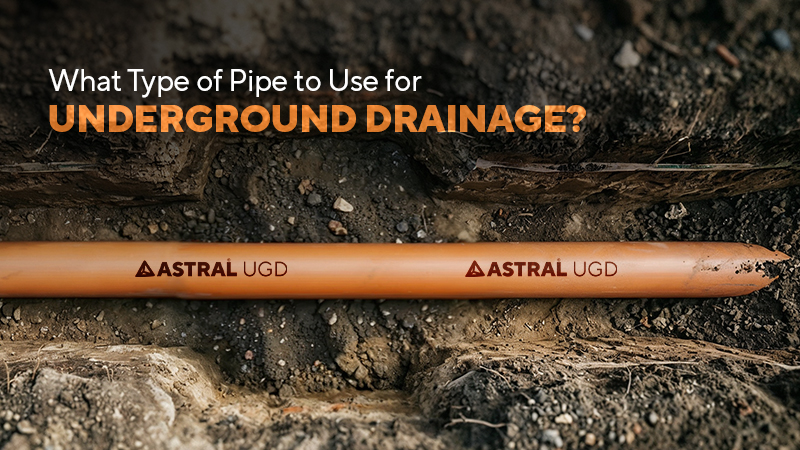
What Type of Pipe to Use for Underground Drainage
When a drainage line is laid below ground, the pipe has to deal with soil pressure, waste flow, moisture and, in many locations, load from traffic or paving above. That is why choosing the right underground drainage pipe matters at the start. A poor choice can lead to cracks, leakage, blockage and costly repair work later. If you are planning a home drainage system, a building project or a replacement line, this guide explains what type of pipe to use for underground drainage and why material selection makes a real difference.
Types of Pipes Used for Underground Drainage
Several pipe types are used in underground drainage, but each serves a different purpose. The right underground pipe depends on the application, load condition, soil type and flow requirement.
1. uPVC Pipes (Unplasticized PVC)
uPVC is one of the most widely used materials for underground drainage pipe systems in residential and commercial projects. Astral Foamcore uPVC pipes are designed for drainage and sewerage applications, and Astral states that SN4 and SN8 classes are recommended for below-ground use depending on the installation depth.
2. HDPE Pipes (High-Density Polyethylene)
HDPE pipes are valued for flexibility, impact resistance and chemical resistance. They are commonly used in drainage and sewer networks where some ground movement or demanding site conditions are expected.
3. DWC Pipes (Double Wall Corrugated)
DWC pipes have a corrugated outer wall and smooth inner wall, making them suitable for non-pressure underground drainage and sewerage applications. Indian railway guidance notes their use in sewerage, storm water drainage and other buried utility applications.
4. Concrete (RCC) Pipes
RCC pipes are generally used in large-diameter drainage, storm water and municipal infrastructure works. They are strong under heavy external loads, though they are heavier to transport and install than polymer-based underground drain options.
5. Cast Iron Pipes (Legacy Use)
Cast iron pipes are mostly seen in older drainage systems and specific building applications. They offer strength, but their weight, corrosion concerns and installation cost have reduced their use in many modern underground drainage projects.
SWR Pipes: Why They are Not Suitable for Underground
SWR pipes are mainly intended for soil, waste and rainwater disposal inside or around buildings, often in above-ground stacks and internal drainage layouts. For buried lines that face soil load and deeper installation demands, an underground drainage pipe with the right stiffness class is a more suitable option.
Key Factors to Know When Choosing Underground Drainage Pipes
Before selecting an underground pipe, review these points:
- Soil condition, as loose, rocky or shifting soil can affect pipe support
- Depth of installation, because deeper lines need better ring stiffness
- Traffic load above, especially under driveways, roads or parking areas
- Effluent type, since domestic waste, greywater and surface runoff behave differently
- Diameter required, based on expected flow and the number of connected outlets
- Joint type, such as push-fit or ring-fit systems, that support proper sealing and easier installation
The Central Public Health and Environmental Engineering Organisation (CPHEEO) sewerage manual places strong focus on bedding, loading, alignment and soil support in buried pipeline design, since these factors directly affect long-term performance.
Why uPVC Is the Smart Choice for Modern Underground Systems?
For many residential and light commercial projects, uPVC is a smart choice for underground drainage because it is lightweight, corrosion-resistant and easier to install than many traditional materials. Astral Foamcore pipes use a multilayer structure with a foamed PVC middle layer, and the company says this design helps absorb load and maintain pipe shape under soil pressure.
Astral also offers underground drainage solutions in sizes used across common project needs, with below-ground recommendations linked to SN4 and SN8 stiffness classes. For builders and homeowners looking for a dependable underground drainage pipe in India, this makes uPVC a practical option that supports durability, flow efficiency and faster installation.
Choose the underground drainage pipe with the site condition and load requirement in mind, not only the initial cost. Explore Astral drainage pipe solutions if you are planning a reliable underground drainage system for a home, residential project or commercial property.
-
30 May 2026
What Type of Pipe to Use for Underground Drainage -
27 May 2026
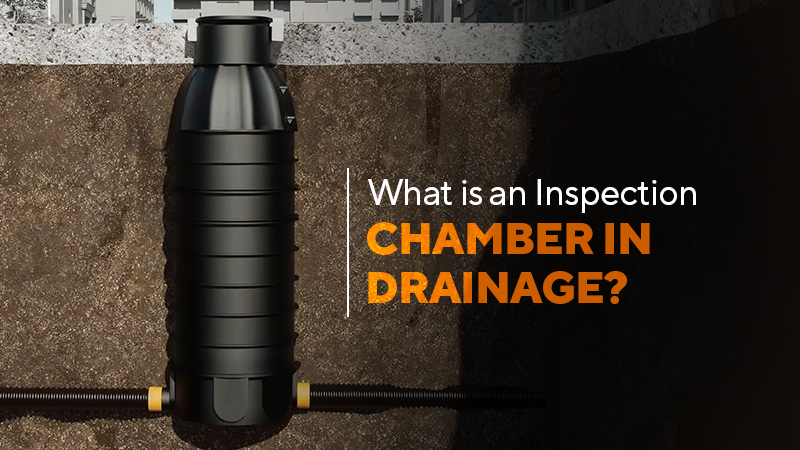
What Is an Inspection Chamber in Drainage -
24 May 2026
Top Benefits of Using Certified Potable Water Pipes -
22 May 2026
Why You Should Prefer UPVC Plumbing Pipes for Summer Weather Use -

20 May 2026
Best Ways to Keep Your Water Tank Cool in Summer