


27 May 2026
What Is an Inspection Chamber in Drainage
If you have ever dealt with a blocked bathroom drain or a foul smell near the underground pipes, you know how stressful drainage problems can be. In many Indian homes and projects, the real issue lies under the ground where pipes meet and turn. That is where inspection chambers come in and make maintenance easier and more predictable. This guide explains what an inspection chamber is in drainage and why it matters in a sewage system.
What Is an Inspection Chamber?
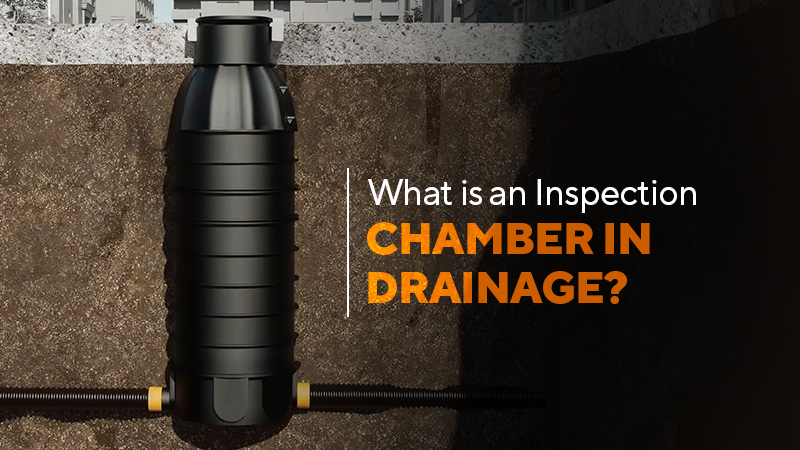
An inspection chamber is a small underground access point built on a drainage or sewage line that allows easy inspection, cleaning, and maintenance of pipes. It is usually installed at points where pipes change direction, slope, or diameter, or where multiple branches meet. In a typical Indian drainage system, inspection chambers are placed between the house drain and the main sewer or septic tank. Covers or lids at ground level make it possible to open the chamber and check for blockages without digging. Now that you understand what are inspection chambers, let us move on to understand their use and benefits.
What Is the Purpose of an Inspection Chamber?
The main purposes and functions of inspection chambers in drainage and sewage systems are:
- Providing access to inspect underground pipes for blockages, leaks, or structural damage.
- Allowing cleaning equipment, rods, or jetting hoses to be inserted into the pipeline for desilting or clearing chokes.
- Offering a safe point to change the direction or level of the drain without stressing the pipe joints.
- Acting as junction points where multiple branch lines meet the main drain in a planned way.
- Helping engineers test the system during installation and later during routine maintenance.
- Reducing the need for frequent excavation work by centralising access at set locations.
Because a sewage inspection chamber makes day-to-day maintenance easier, it becomes an important element for the long-term performance of any drainage network.
Where are Inspection Chambers Installed?
- At the junction where internal house drains meet the external drain line
- At every major change in direction of the sewer line, usually where the bend is sharper than about 30 degrees
- At changes in pipe diameter or gradient to control flow and access
- At the start and end of long runs of underground pipes, so that cleaning tools can reach the full length
- Near property boundaries where the private drain connects to a municipal sewer, septic tank, or treatment system
Types of Inspection Chambers
1. Plastic (PP / PVC / PE) Inspection Chambers
Plastic inspection chambers are factory-made units, typically in PE or PP and sometimes PVC. They are designed with smooth internal walls and multiple inlets and outlets. This type of sewage inspection chamber resists corrosion, chemical attack from sewage, and general environmental wear and tear..
2. Brick-built Inspection Chambers
Brick-built inspection chambers are constructed at the site using brick masonry and plastered internally to provide a reasonably smooth finish. While brick chambers can be customised for different depths and layouts, they are heavier, take more time to build, and may be more prone to leakage or root infiltration over the years.
3. Concrete Inspection Chambers
Concrete inspection chambers can be cast in situ or assembled from precast concrete rings or sections. They are suitable for higher loads, deeper installations, and large diameter pipelines often used in municipal or industrial projects. Concrete offers high structural strength, but the units are heavy and require lifting equipment, more site time, and higher labour involvement.
Material Comparison for Inspection Chambers
|
Material type |
Typical lifespan* | Relative cost | Installation time |
Best suited for |
| Plastic (PE/PP/PVC) | Several decades with low maintenance | Medium, but low life-cycle cost | Fast due to lightweight and push-fit design | Residential, commercial, and infrastructure where speed and reliability matter |
| Brick-built | Long life if workmanship and waterproofing are good | Low to medium material cost, higher labour costs | Slow because it is built at the site layer by layer | Small projects, traditional construction with local labour |
| Concrete | Long life with high structural strength | High material and handling costs | Slow to medium, depending on precast or cast in situ | Deep sewers, heavy traffic, municipal and industrial networks |
*Actual lifespan depends on soil conditions, load, design, and maintenance practice.
Inspection Chamber vs. Manhole: What Is the Difference?
A common doubt is how an inspection chamber differs from a manhole in a drainage or sewage system. Inspection chambers are usually smaller, shallower access points that do not allow a person to climb inside, and they rely on tools lowered from the surface for maintenance.
Manholes are larger, deeper structures that are designed so that a worker can enter safely to carry out inspection, repair work, or cleaning from within the structure. Manholes are ancillary structures in sewerage systems, while inspection chambers serve as limited-access points, mainly in smaller diameter house drains and building sewers.
How Do Inspection Chambers Prevent Drainage Failures?
Well planned sewage inspection chambers help with early detection and clearing of silt build-up, foreign objects, or root intrusion before these issues cause a major choke or overflow. Smooth internal surfaces and hydraulic design in modern plastic inspection chambers improve flow and reduce the chance of waste sticking to the walls. Reliable, watertight joints stop sewage from leaking into the surrounding soil and stop groundwater from entering the system, which helps maintain designed flow rates and protects public health and the environment.
Why Choose Astral Drain Hulk Inspection / Manhole Chamber?
Astral Drain Hulk PE/PP manhole and inspection chambers are designed specifically for modern Indian drainage systems. They are made from high-quality virgin, UV-stabilised polyethene, which supports long-life performance even in harsh outdoor and underground conditions. These chambers feature ribbed engineering for added strength and uplift resistance. They are suitable for homes, gated communities, hotels, hospitals, shopping malls, and other high-demand projects where reliability and ease of installation are both important.
Knowing what inspection chambers are, what they are used for, and how they can help to prevent any leakage or damage issues with the drainage system is important for maintenance purposes.
Explore more at Astral Pipes for advanced drainage solutions and select the system that matches your project requirements.
-
27 May 2026
What Is an Inspection Chamber in Drainage -
24 May 2026
Top Benefits of Using Certified Potable Water Pipes -
22 May 2026
Why You Should Prefer UPVC Plumbing Pipes for Summer Weather Use -

20 May 2026
Best Ways to Keep Your Water Tank Cool in Summer -
17 May 2026
What is a Surface Drainage Channel?